Dubai between uncertainty and opportunity: navigating the current Iran conflict
In times of geopolitical tension, markets react quickly. Investors pause, companies reassess their exposure, and many individuals look for safer ground. The current escalation surrounding the Iran conflict has once again created uncertainty across the Middle East. Headlines focus on risks, instability, and potential disruptions. Yet in cities like Dubai, the story is more complex.
While some choose to leave the region temporarily, others see a different reality emerging—one defined not only by risk, but also by opportunity.
A region used to managing uncertainty
The Middle East has long been shaped by geopolitical dynamics. Governments, businesses, and residents have developed a strong ability to adapt to changing conditions. Dubai, in particular, has built its reputation on stability, diversification, and resilience.
Over the past two decades, the emirate has deliberately positioned itself as a safe economic hub within a volatile region. Its infrastructure, regulatory environment, and international connectivity make it a strategic base for companies that want access to the Middle East, Africa, and Asia.
Periods of regional tension often highlight exactly why Dubai has become such an important center for global business.
When some leave, others arrive
Whenever geopolitical risks rise, a familiar pattern appears. Some expatriates relocate temporarily, multinational companies reassess regional strategies, and investors become cautious.
At the same time, new actors enter the market.
Entrepreneurs, family offices, and international investors often view uncertainty as a moment to reposition themselves. Real estate demand can increase, new businesses are established, and capital flows toward stable jurisdictions within the region.
Dubai frequently becomes the destination of choice.
This dynamic is not new. During previous periods of regional instability, Dubai experienced increased investment in property, logistics, and financial services. The emirate’s role as a neutral and business-friendly hub continues to attract those seeking both security and growth potential.
The strategic advantage of Dubai
Dubai’s response to regional crises is rarely reactive—it is strategic.
Several structural factors contribute to its resilience:
- Political stability and security
- A diversified economy beyond oil
- World-class logistics and connectivity
- Business-friendly regulations and tax advantages
- A strong international community
These elements allow Dubai to absorb regional shocks better than many other markets. Instead of being defined by geopolitical tensions, the city often becomes the place where businesses reorganize their regional strategies.
Opportunity in times of change
For entrepreneurs and investors, periods of uncertainty often create windows of opportunity.
Companies looking to relocate operations may establish new regional headquarters. Investors searching for stable jurisdictions may diversify into Dubai’s property or business landscape. Consulting, logistics, financial services, and trade sectors can experience renewed activity.
This does not mean ignoring the seriousness of geopolitical developments. Rather, it means understanding that markets rarely move in only one direction. Risk and opportunity often emerge simultaneously.
Looking ahead
The situation surrounding Iran remains fluid, and the broader implications for the region are still unfolding. However, one lesson from past crises remains clear: cities that combine stability with openness to global business tend to attract capital and talent during uncertain times.
Dubai has repeatedly demonstrated its ability to turn regional challenges into strategic advantages.
For businesses and investors with a long-term perspective, moments like these are not only about managing risk—they are also about recognizing where the next opportunities may arise.
Golden Falcon Consulting supports investors and entrepreneurs navigating complex regional environments, helping them identify opportunities even in uncertain times.
-

DUBAI AT THE CROSSROADS
Blog Dubai at the Crossroads: The Strait of Hormuz Tensions and Emerging Opportunities The Strait…
-
INVESTING IN PASSION
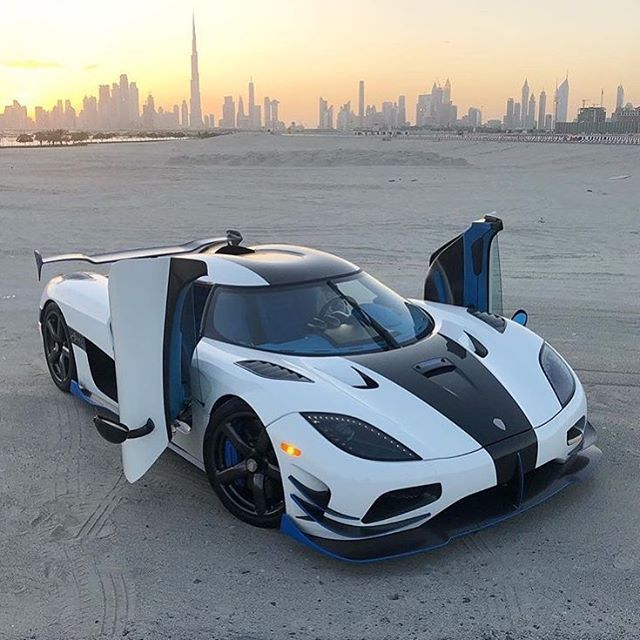
EXCLUSIVE VEHICLES Investing in Passion: How We Advise on Exclusive Vehicle Collections in Uncertain Times…
-
Between uncertainly and opportunity
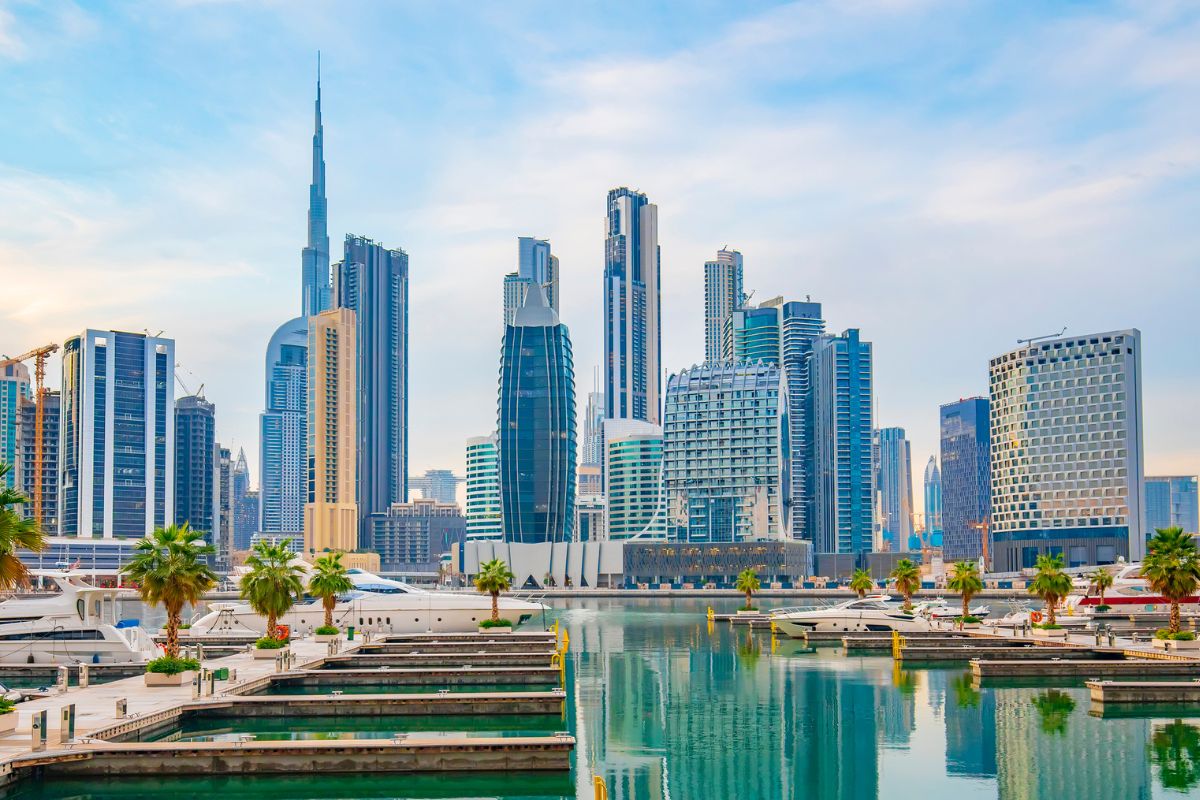
Dubai between uncertainty and opportunity: navigating the current Iran conflict In times of geopolitical tension,…
